
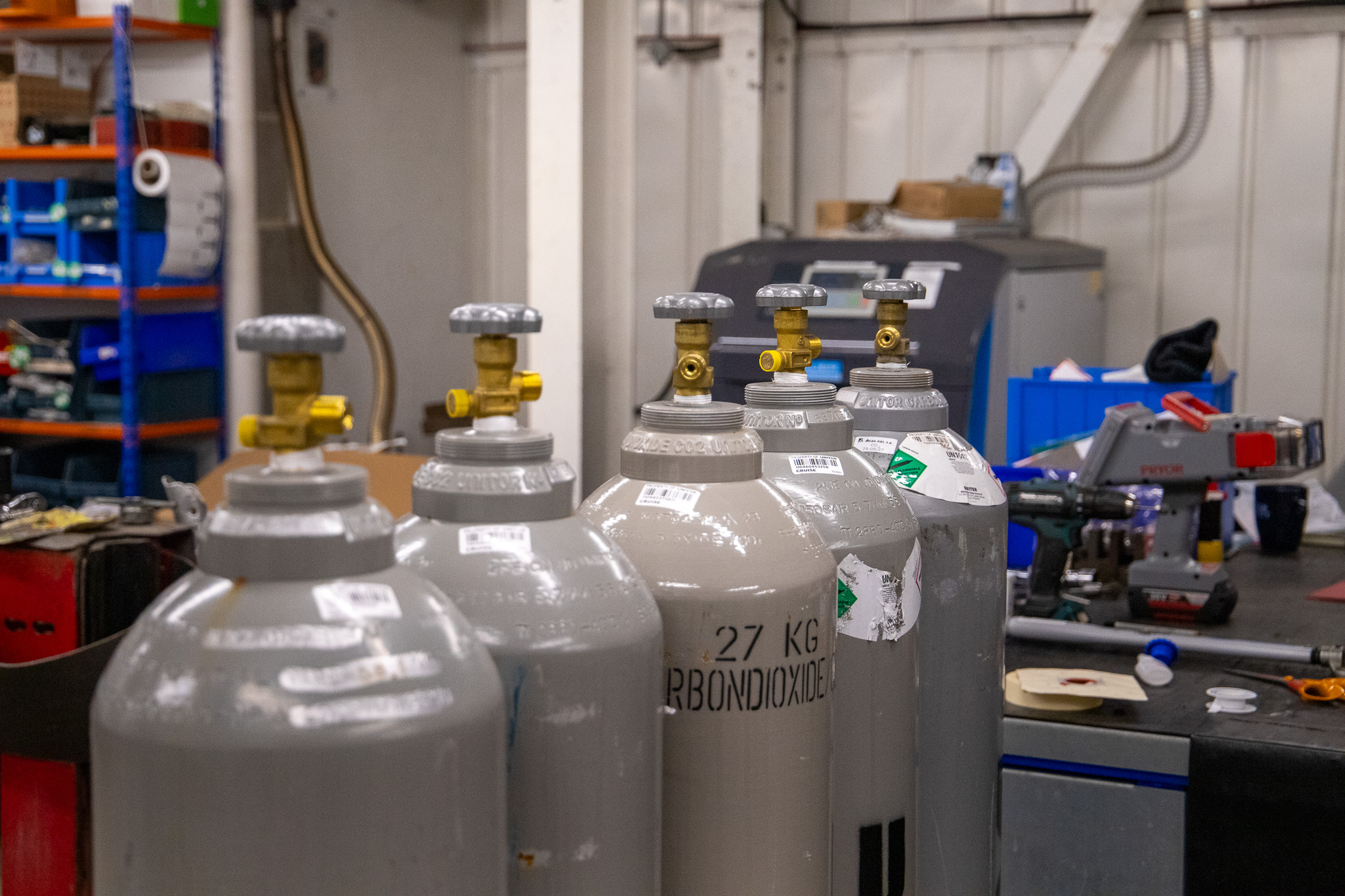
What Happens During a Gas Cylinder Service?
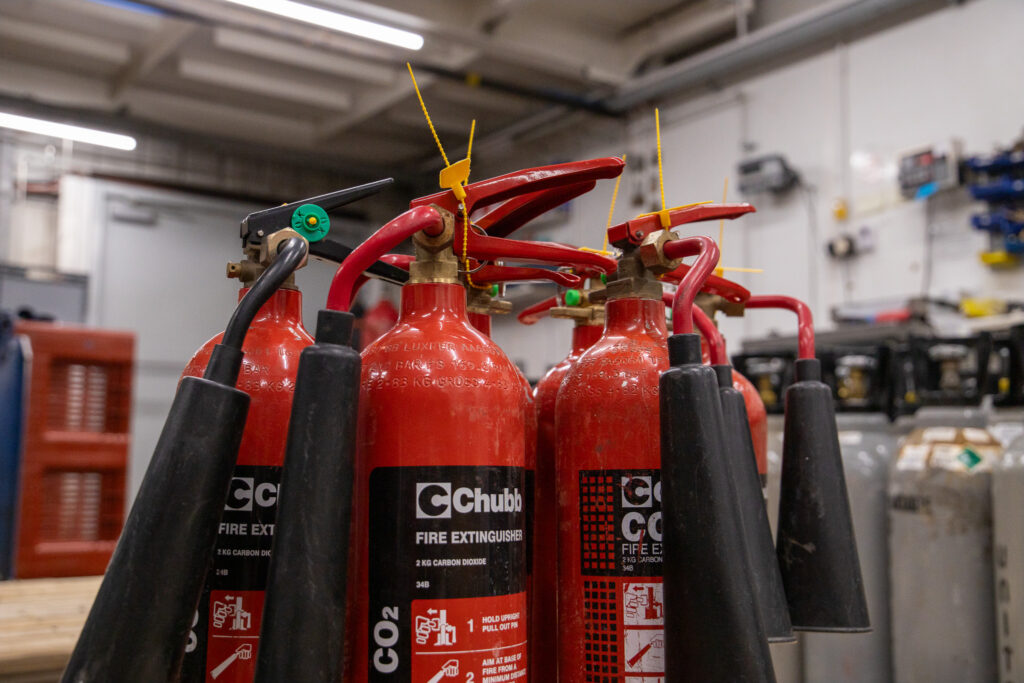
Gas cylinders play a critical role in marine safety, firefighting and lifesaving equipment. Whether supporting a liferaft, fire suppression system or breathing apparatus, each cylinder must perform instantly and reliably when called upon. Regular servicing is what ensures that reliability.
At Ocean Safety, gas cylinder servicing is a structured, technical process designed to maintain performance, confirm compliance and extend the lifespan of the equipment.
Why Regular Servicing Matters
Gas cylinders are often out of sight until they are needed. Without regular servicing, there is no guarantee they will function as intended in a critical moment.
Routine maintenance not only ensures compliance with industry regulations, but also protects people, vessels and assets.
Trusted by Industry
Ocean Safety supports a wide range of customers, from commercial vessel operators and training centres to global shipping groups and emergency service organisations. This experience ensures every cylinder is handled with the same level of care, regardless of its application.
Initial Inspection
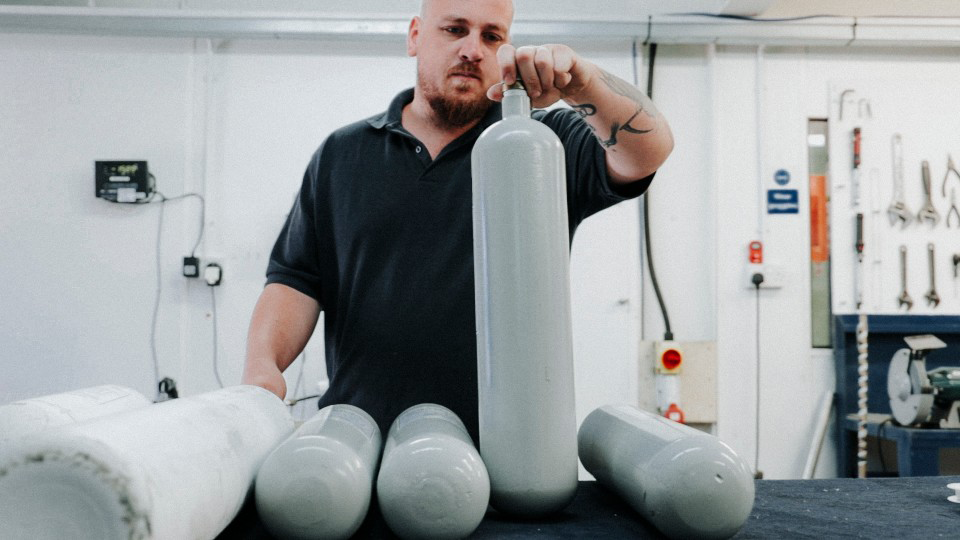
Every service begins with a thorough visual inspection. The cylinder is checked for signs of external damage, corrosion, wear or contamination. Valves, fittings and threads are also assessed to ensure they remain in good working condition.
This stage helps identify any immediate issues that could compromise safety or performance.
Controlled Discharge and Safe Handling
Where required, cylinders are safely discharged in a controlled environment. This allows engineers to handle the unit without pressure and prepares it for internal inspection and testing.
Strict safety procedures are followed throughout, particularly when working with high pressure or specialist gases such as CO2.
Internal Examination
Once depressurised, the internal condition of the cylinder is inspected. This includes checking for moisture, internal corrosion or residue that could affect the integrity of the gas or the cylinder itself.
For safety critical applications, even minor internal issues can be significant, so this step is carried out with precision.
Pressure Testing
The cylinder undergoes pressure testing to verify its structural integrity. This ensures it can safely hold gas at its designated operating pressure without risk of failure.
Testing is carried out in line with relevant standards and is a key requirement for compliance across marine and commercial sectors.
Refilling
Once the cylinder has passed inspection and testing, it is refilled with the appropriate gas. This could include beverage grade CO2, breathable compressed air or specialist gases used in fire suppression systems.
Accurate filling is essential to ensure correct performance in real world conditions.
Reassembly and Valve Servicing
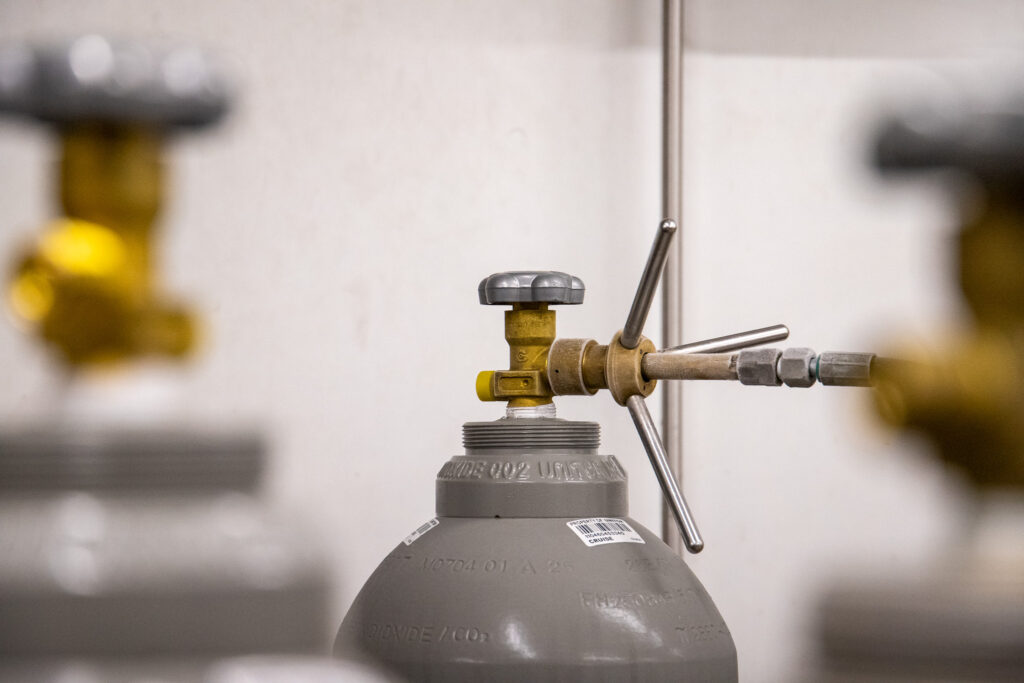
Valves and components are either serviced or replaced as needed before the cylinder is reassembled. Seals are checked and renewed where required to prevent leaks and maintain pressure over time.
Final Testing and Certification
Before leaving the facility, the cylinder undergoes final checks to confirm it is fully operational. Certification is updated to reflect the completed service, providing a clear record of compliance.
Need Support with Gas Servicing?
If you are unsure about the condition of your cylinders or need to schedule a service, speak with the Ocean Safety team. Ensuring your equipment is ready when it matters most starts with the right servicing partner.